

Shadow Boxing for Beginners: 11 Effective Workouts at Home
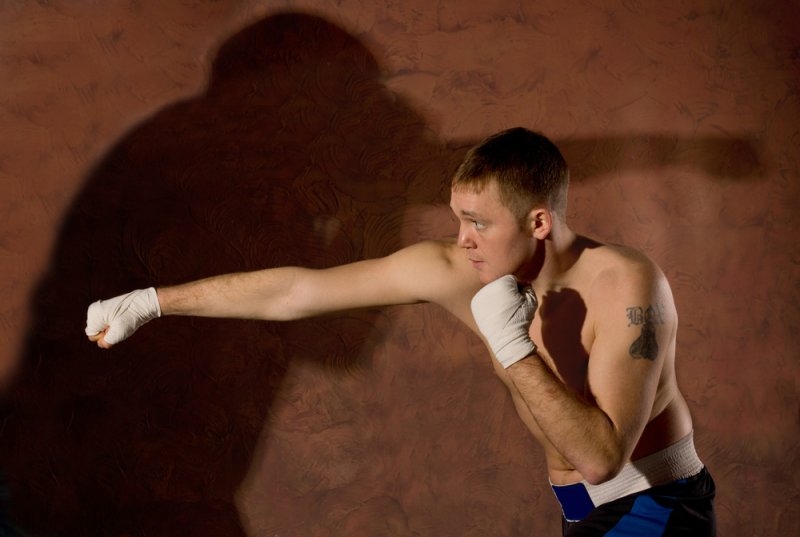
Fitness / Jul 21,2026
People think they need fancy gym memberships or massive heavy bags to learn how to fight or get fit. Wrong. You just need a few feet of empty space and a mirror. Shadow boxing is the brutal, unfiltered foundation of all combat sports. It strips away the focus mitts and sparring gear, forcing fighters to rely purely on balance, speed, and technique. Throwing hands at empty air sounds incredibly easy until the lactic acid builds up, the shoulders scream, and the lungs start burning.
This guide breaks down exactly how to start throwing real combinations without looking foolish, tearing a shoulder muscle, or picking up terrible habits. Master the invisible opponent before ever stepping inside a real ring.
Understanding the Role of Shadow Boxing for Beginners
Stepping into a boxing ring without dialing in the absolute basics guarantees a fast knockout. Shadow boxing for beginners acts as the ultimate reality check for balance and form. Without a heavy bag to absorb the impact or lean against, fighters must completely control their own momentum. It forces the nervous system to memorize movement patterns, making punches, slips, and pivots completely automatic under pressure.
For anyone just lacing up their shoes, this practice completely removes the fear of getting hit back. It allows rookies to slow down the mechanics of every single jab, cross, and hook. Fighting invisible opponents demands sharp visualization and intense mental focus. Hitting nothing but air forces your body to actually memorize the movements. If you skip this step and rush straight to the heavy bag or a live sparring partner, you are just going to look foolish and get yourself hurt.
What are the Benefits of Beginner Shadow Boxing Drills?
Punching empty air looks completely ridiculous to anyone who doesn't actually fight. But the results are undeniable. This kind of training is exactly how you build a real gas tank and lock in actual fighting habits instead of just throwing sloppy haymakers.
1. Total Body Conditioning
It shreds fat and builds serious cardiovascular endurance without requiring a single piece of expensive gym machinery.
2. Flawless Balance
Missing a target in the air forces the core to work overtime to prevent falling off center or stumbling forward.
3. Speed Upgrades
Striking without resistance trains fast-twitch muscle fibers to snap punches out and pull them back instantly to protect the chin.
4. Mental Toughness
Maintaining high-intensity visualization and movement for three solid minutes demands insane focus and extreme mental concentration.
How to Build a Healthy Beginner Shadow Boxing Routine?
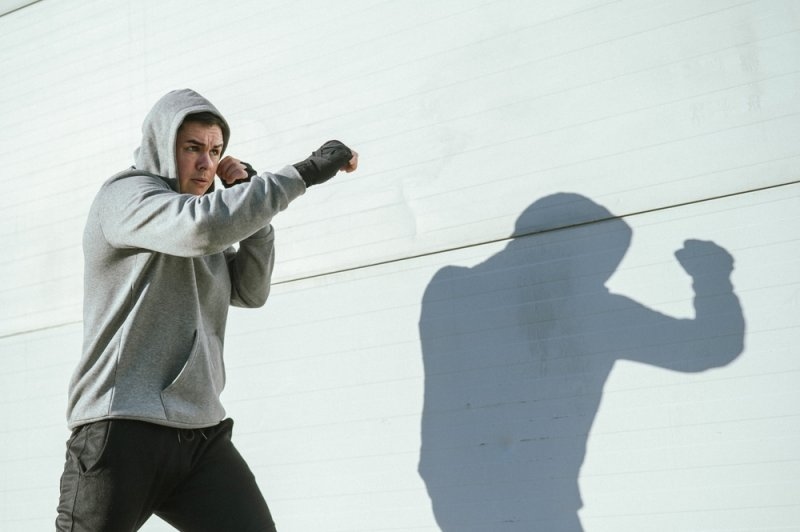
Randomly throwing wild haymakers leads straight to torn rotator cuffs and terrible habits. Structuring a proper beginner shadow boxing routine requires discipline and strict timing protocols.
1. Lock Down the Stance
Keep feet shoulder-width apart, knees slightly bent, and hands glued to the cheekbones. A sloppy, dropped guard always equals a glass jaw.
2. Master the Jab First
Never rush into crazy combinations. Spend entire rounds firing nothing but crisp, straight jabs while moving forward and backward.
3. Use a Mirror
Visual feedback is absolutely mandatory. Watching the reflection exposes dropped hands, flared elbows, and lazy footwork immediately.
4. Strict Interval Timers
Operate on actual combat time. Work for three full minutes, rest for exactly sixty seconds, and repeat the suffering.
11 Best Shadow Boxing Workouts for Beginners
Stop pacing around the living room aimlessly. Execute these exact combinations to build a legitimate shadow boxing workout for beginners that actual fighters use.
1. Double Jab Cross
Pop a quick double jab to figure out your distance, then plant your back foot and bury a heavy straight right hand right down the middle.
2. High-Low Assault
Throw a stiff jab at the head, change levels by bending the knees, and rip a brutal cross directly to the body.
3. Slip and Rip
Slip an imaginary straight punch to the outside, load the hips aggressively, and return fire with a heavy lead hook.
4. Check Hook Retreat
Whip a tight lead hook, pivot hard on your front foot, and swing your back leg out of the way to instantly step out of the danger zone before you get countered.
5. Roll and Counter Cross
Roll under a wide hook using the legs, stand up tall, and fire a straight cross right down the middle.
6. Body Snatcher
Feint a high jab, step inside tight, and dig a lead hook deep into the opponent's exposed ribs.
7. Jab, Cross, Lead Uppercut
Throw the basic one-two combination, drop the lead shoulder slightly, and blast an uppercut right through the center guard.
8. Philly Shell Catch
Tuck the chin safely behind the lead shoulder, catch an incoming punch, and instantly fire a straight right counter.
9. Pull Counter
Lean back just enough to make a punch miss, plant the back foot hard, and explode forward with a counter cross.
10. Triple Hook Progression
Throw a lead hook to the head, a lead hook to the body, and finish with a devastating rear hook up top.
11. Burnout Sprint
End the session by throwing straight and rapid-fire alternating punches non-stop for the final thirty seconds of the round to empty the gas tank.
Conclusion
No one becomes a lethal striker overnight. Mastering a solid beginner shadow boxing routine takes serious repetition, bruised egos, and gallons of sweat. Stop relying on heavy bags to fix terrible balance issues. Putting in the lonely work in front of a mirror builds the strict technical foundation required to actually fight.
Frequently Asked Questions
1. Do you need to wear hand wraps while doing shadow boxing exercises for beginners?
Wrapping the hands is not strictly required since there is absolutely zero impact on the knuckles. However, wearing wraps or light 16oz gloves adds minor resistance, heavily conditioning the shoulders and simulating the actual weight of fighting gear.
2. How much space is actually required to practice shadow boxing for beginners at home?
You need just enough room to step forward, backward, and pivot 360 degrees without smashing into a wall. A simple six-by-six-foot clearing in a living room, basement, or garage is plenty of real estate to execute full footwork movements efficiently.
3. Should weights be used during shadow boxing drills for beginners?
Holding highly light dumbbells (one to two pounds maximum) dramatically increases shoulder endurance. Never use heavy weights. Swinging heavy dumbbells totally ruins punching mechanics, hyper-extends elbows, and destroys rotator cuffs instantly. Keep the resistance incredibly light to strictly protect the joints.