

Jab vs Cross: What is the Difference and When to Use Each?
Fitness / Nov 24,2026
Key Takeaways
- The jab is your lead hand. It's quick, light, and low risk.
- The cross is your rear hand. It's slower, but it hits hard.
- Jab vs cross boxing choices come down to distance and timing.
- Don't throw the cross alone from far away. Hide it behind a jab.
- New to boxing? Get the jab right first.
Picture your first day at a boxing gym. The coach yells "jab, jab, cross," and you're not sure which hand is which. Totally normal. Jab vs cross confuses almost everyone at the start, mostly because both punches fly straight and look alike from the outside. They aren't alike, though. Let's sort out what each one does and when you'd actually want it.
What is the Difference Between a Jab and a Cross?
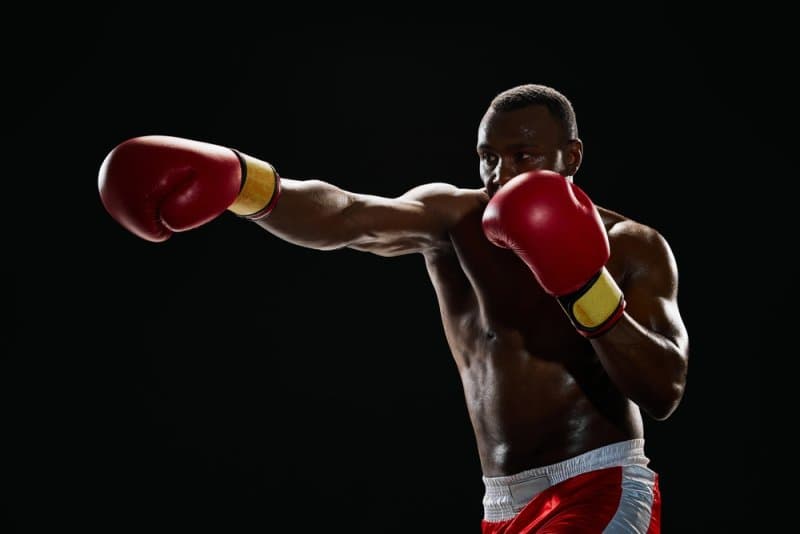
Here's the short version. Your jab leaves from the lead hand, the one nearest your opponent. Your cross leaves from the rear hand, the one tucked back by your chin. Right-handed? That's a left jab and a right cross. I like to call the jab a nudge and the cross a shove. Every jab vs cross punch you throw fits one of those two roles.
Must Read: Knockout vs Technical Knockout: What's the Real Difference?
How is a Jab Different From a Cross in Boxing?
They share a straight path, and that's about where the similarities end. The jab is quick and light, and you can recover it before anyone notices. The cross asks for more: hips, back leg, a bit of commitment. Here's a jab vs cross boxing comparison in one glance, so you don't have to hold all of it in your head.
| Feature | Jab | Cross |
| Hand used | Lead hand | Rear hand |
| Speed | Fastest punch | Slower |
| Power | Light to moderate | Heavy |
| Risk if missed | Low | Higher |
| Main job | Measure and set up | Hurt and finish |
Jab vs Cross Boxing Technique: How Do You Throw Each?
Before any fancy stuff, fix your stance. Feet about shoulder-width apart, knees a little bent, chin down, hands up by your face. It feels boring, I know. But every jab vs cross boxing technique grows out of that base, and a wobbly stance quietly steals speed and power from both punches. Spend a full minute on your feet first, every session.
How to Throw the Jab
Send your lead hand straight out from the chin, like you're reaching for a light switch on the far wall. Slide the front foot forward a touch as you go. Turn the fist over so your palm ends up facing the floor. The back hand stays by your cheek. Then pull the jab home quickly, along the same line. Stay loose. Tension kills speed.
How to Throw the Cross
The cross starts at your back foot, not your arm. Pivot on the ball of that foot, heel swinging out, and let the hip turn into the punch. The shoulder follows, then the fist. Keep your chin tucked behind your shoulder. Once it lands, snap the hand back and reset, because standing there square and open is how you get tagged.
Which is Faster: Jab or Cross in a Real Fight?
No contest. The jab wins. It starts closer to the target, and it's mostly arm, so there's almost nothing to wind up. That's the heart of jab vs cross speed. The cross has to travel farther and wait for the hips to turn. Even a lazy jab often arrives first. Plenty of fighters have lightning hands, but geometry still favors the jab.
Which is More Powerful: Jab or Cross?
The cross, and it isn't a tough call. Your back leg, hips, and shoulder all pile into it, so a lot more body weight arrives with the fist. Jab vs cross power really comes down to that twist. Sure, a good jab can sting, and some heavyweights jab like a freight train. Still, for most people, the jab sets up the big shot.
When Should You Throw a Jab or Cross?
Honestly, it's about timing and distance. Jab to measure the gap, annoy your opponent, or cut off their attack. Save the cross for a clear opening, ideally right behind that jab. Learning when to use jab vs cross stops you from gassing yourself out and eating counters. Before each punch, ask: how far away are they, and how safe am I?
Best Moments for the Jab
Reach for the jab when you need space or information. It's great for finding range, slowing down someone who keeps walking forward, and hiding what's coming next. It also scores safely, since a missed jab hardly throws you off balance. Stuck and unsure? Jab again. Plenty of coaches will tell you it wins more rounds than any other single punch.
Best Moments for the Cross
Throw the cross when the opening is genuinely there. Right after a jab is ideal, especially if your opponent blinks or lifts their guard. It also makes a solid counter when they lunge in carelessly. What you shouldn't do is fire it alone from across the room. Without a setup, it's slow, easy to read, and expensive when it misses.
How to Use Jab Cross Combination in Boxing?
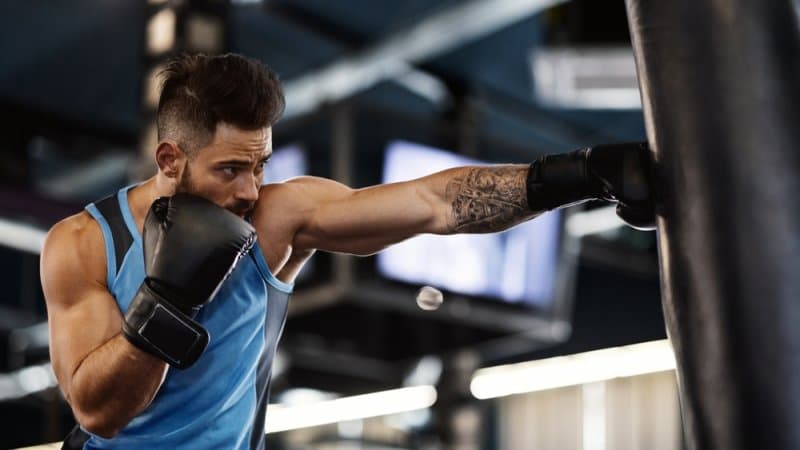
The jab cross combination, better known as the one-two, is usually the first thing a coach teaches. The jab grabs attention. The cross walks through the gap it opens. When it's done right, the pair feels like a single motion. Try the three steps below on a heavy bag, on mitts, or in light sparring with a partner you trust.
1. Start With a Sharp Jab
Begin with a loose, snappy jab at nose height. Don't wind your hand back first, because that tells everyone what's coming. All you want is a reaction, even a tiny flinch. A good jab only has to block their eyes for a split second. Breathe out as you throw, then pull the hand straight home so the next punch has room.
2. Fire the Cross on the Rhythm
The very moment the jab starts coming back, send the cross. Pivot the rear foot, rotate the hips, and let the hand travel down the middle. Think one-two, not one... pause... two. Keep the gap tiny, because that's what catches people. Wait too long and your opponent resets, the opening shuts, and your slower punch finds nothing but thin air.
3. Reset Your Guard
Once the cross lands, bring that rear hand straight back to your cheek and get your feet set under you. This is where beginners get clipped. They stand there admiring the punch. Chin down, hands high, eyes on the target. A clean reset lets you throw again right away, or take a quick step out of danger if things get messy.
Top Pick: Who Was Harry Greb? His Boxing Record, Career, and Legacy
Jab vs Cross for Beginners: What Should You Focus On?
Start with the jab and give it a few sessions before the cross joins the party. Work on balance, loose shoulders, and keeping your guard tight. Beginners repeat the same slips:
- Dropping the rear hand
- Leaning too far forward
- Throwing the cross with no setup
Slow, clean reps beat fast, sloppy ones. Shadowbox in front of a mirror and you'll spot these habits.
Conclusion
So the jab and the cross aren't rivals. They're a team, and each covers the other's weakness. The jab is quick, safe, and great for control. The cross brings the thump. Learn jab vs cross as a pair, and you'll punch smarter and tire less. Be patient with yourself, keep your hands up, and go slow before you go fast.
Frequently Asked Questions
Is a jab or cross better for self-defense?
Neither works best alone. The jab buys you distance and space, and the cross gives you stopping power. Still, covering your head and getting away from trouble should always come before landing anything.
Do southpaws throw the jab and cross with different hands?
They do. A southpaw stands with the right foot forward, so the jab comes from the right hand and the cross from the left. Everything else stays the same; the sides simply swap places.
Can you throw a cross without a jab first?
You can, though it's riskier. A lone cross travels farther and is easier to spot. Throw it as a counter, or after a feint, and it can land cleanly without any jab beforehand.
How often should beginners practice jab and cross?
Short and regular beats long and rare. Try three or four sessions a week, opening with ten minutes of slow shadowboxing. Pay attention to form, balance, and breathing before adding bag work once comfortable.
Why does the cross feel harder to land than the jab?
It travels a longer path and needs the hips and back foot to rotate first. That extra time gives opponents a real chance to see it coming, slip it, or counter you quickly.