

What is the Best Boxing Stance for Beginners That Actually Works?

Fitness / Jul 16,2026
Quick Takeaway
- A good boxing stance is your foundation. It provides you with balance, speed, and power. It also helps you defend yourself.
- Generally, right-hand fighters go with the orthodox stance, while those who use the left hand prefer the southpaw.
- Where you put your feet matters—it affects how well you move and how you land your punches.
- And yeah, lots of beginners slip up by standing too square or crossing their feet, so watch out for that.
- Practice is key. The more you drill your stance, the faster it becomes second nature and the better you’ll be in the ring.
Honestly, if you’re new to boxing or just leveling up your skills, everything starts with your stance. Every punch, every defensive move, every shuffle—it all depends on how you’re standing. Even if you’ve got knockout power, it’s pretty useless without a solid base.
The International Boxing Association (IBA) says balance and footwork are the first things they teach because those two skills affect how you attack and how you defend. Professional trainers are big on stance, too. They won't let you mess around with combos or sparring until your foundation’s right.
So let's get into it. This guide breaks down how to build a proper stance, best boxing stance; tells you the difference between orthodox and southpaw; walks you through common mistakes; and gives you a few drills to lock it in.
What’s a Boxing Stance?
Think of your stance as your home base. It’s where everything starts and ends. If it’s not solid, your punches lose power, your defense gets shaky, and your footwork just doesn’t work. A good stance lets you move fast in any direction, throw solid punches, defend yourself, control exchanges, and recover after every combo.
Why Does Your Stance Matter?
Most newbies want to learn fancy punches right away. But honestly, experienced coaches flip the script—they focus on your stance first. If your stance is shaky, even if you’ve got perfect form, you won’t punch well.
Here’s what a good boxing stance does:
Balance
You won’t fall forward after a punch or lose control while moving. It's about accessing your stability.
Power
All your punching power comes from your legs. You push off the ground, twist your hips, and transfer that energy into your shot.
Defense
Your stance keeps your hands up and your chin protected. It lets you slip, block, or pivot.
Footwork
If you want to move smoothly—advance, retreat, cut angles—it all comes from your stance.
How to Build the Right Boxing Stance?
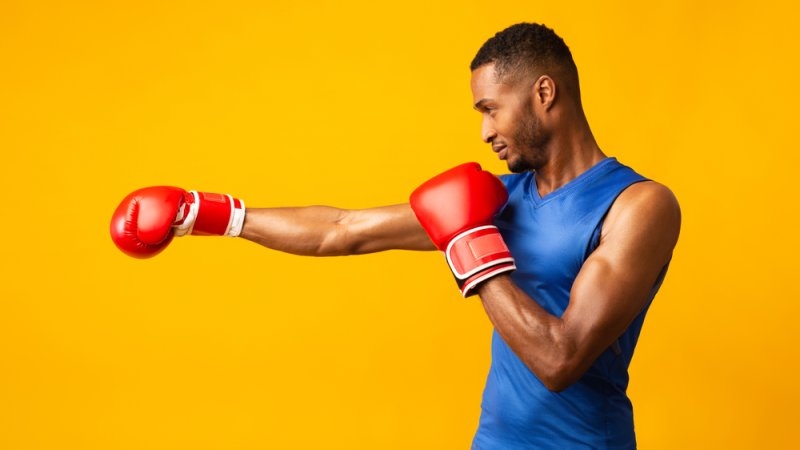
Boxing stance for right-handed beginners, building your stance isn’t hard once you break it down:
Step 1: Set Your Feet
Feet should be shoulder-width apart. If you’re right-handed, put your left foot a bit forward. Lefties, switch it. Don’t stand square. Offset your feet so you’re stable and mobile.
Step 2: Bend Your Knees
Don’t lock them. Keep a slight bend so you’re ready to move. You want to feel athletic and relaxed—never stiff.
Step 3: Hands Up
Lead hand a touch in front of your face. The rear hand guards your chin. Keep your elbows close to your body to block shots.
Step 4: Tuck Your Chin
Don’t stick your chin out. Lower it a bit toward your chest, but keep your eyes up.
Step 5: Stay Relaxed
A lot of beginners tense up. Relax your shoulders. Stay loose. This helps you react quicker and throw smoother combos.
Orthodox Boxing Stance
This one’s for right-handed folks:
Left foot goes forward, right foot behind. Jab with the left, power punches with the right. Famous fighters like Muhammad Ali and Anthony Joshua used this stance.
Perfect for right-handers, especially beginners, this stance allows for the best of both worlds—a balanced defense and strong offense.
What makes this stance so effective:
- Naturally fits most people.
- Potent rear cross.
- Easily execute all of your standard combos.
- Excellent body balance and foot movement control.
Southpaw Boxing Stance
With the southpaw stance, you simply reverse everything:
Your right foot is placed in front, and your left foot is placed behind. Jab with the right and power shots with the left. Left-handers love this one, but some righties switch it up to throw off their opponents.
It’s great for lefties, counterpunchers, and people who want to surprise their opponent. The main perks:
- Throws off orthodox fighters
- Harder to read for most
- Strong lead-side control
- Opens up counter strikes
Common Boxing Stance Mistakes to Avoid
Even seasoned boxers review their stance. Fixing little errors helps your balance, speed, and power right away.
Standing Too Square
If you face your opponent straight on, you’re open to punches and lose hip rotation. Angle your body. Keep one foot ahead.
Crossing Your Feet
This kills your balance. When moving, step first with the foot closest to your direction. Don’t cross your feet. Keep your base steady as you move.
Leaning on One Leg
Some folks tip too far onto their front or back leg. It slows you down and weakens punches. Spread your weight evenly.
Dropping Your Hands
Stance isn’t just about your feet. Don’t let your hands drop after throwing. Keep them up and bring them right back to your face.
Boxing Stances and Styles
No one stance fits everyone. Different styles call for different tweaks.
Pressure Fighters
Compact stance, always moving forward, trying to force mistakes.
Outboxers
Light on his feet, he used speedy jabs and never stopped moving around the ring.
Counterpunchers
The cool, balanced fighters who would keep their patience for a knock-out at the exact moment the opponent slipped up.
Understanding your style helps you figure out the best stance for you.
Drills to Improve Your Boxing Stance
Want to lock in your stance? Practice, practice, practice. Here are boxing drills for your improvement below:
Shadowboxing
The best way to work on posture, balance, and movement. Throw combos, move around, and focus on keeping your stance solid.
Mirror Drill
Train in front of a mirror. Watch your hands, chin, shoulders, and feet. See mistakes and fix them in real time.
Pivot Drill
Put a marker on the floor and pivot around it without crossing your feet. It’ll boost your balance and ring movement.
Ladder or Cone Footwork
Use ladders and cones to work fast feet while holding your stance. Move everywhere—forward, back, sideways—but don’t lose your form.
Conclusion
If you want to be a better boxer, your stance is the best place to start. Every punch and move comes from that foundation. Doesn’t matter if you pick orthodox or southpaw—what really counts is sticking with good habits and technique. The basics are what separate the confident, sharp boxers from the ones who struggle.
Always keep practicing your stance. Eventually, it’ll become automatic, and you’ll move more smoothly, punch harder, and defend better.
Build Better Fundamentals Every Time. Flashy moves are fun, but strong fundamentals are what matter. Put time into your stance, nail your footwork, and practice with a purpose. Every round working on your basics is a step toward being more confident and effective.
Frequently Asked Questions
Can I Switch Between Orthodox and Southpaw During a Fight?
Yes, some pros switch stances mid-fight to create new angles and mess with their opponent. It’s called switch-hitting. But you need good footwork and balance first. Beginners should master one stance before trying others.
Does My Stance Change for Fitness Boxing?
Not really. The stance position is the same, but boxing fitness might focus more on not attacking to hit hard or movement from the ring. But keeping good form, balanced feet, and guarding your chin still makes your workout safer and more effective.
How Long Does It Take to Build a Good Stance?
Everyone’s pace is different. Practice a few times a week, and you’ll get comfortable in a few weeks. But really, even the pros keep tweaking their stance forever because tiny changes make a big difference.