

Boxing Gloves vs MMA Gloves: Which Pair Should You Choose?
Blog / Nov 17,2026
Key Takeaways
- Boxing gloves pack more foam, cover your whole hand, and support your wrist.
- MMA gloves leave your fingers free, so you can grip and grapple.
- New to the gym? Boxing gloves are usually the safer starting point.
- MMA gloves shine in grappling drills and short, technical rounds.
- The wrong pair can hurt you, and it can hurt your training partner too.
Boxing gloves vs MMA gloves sounds like a small decision until you’re holding both. They look similar across a gym shop, but they’re not. One feels like a pillow. The other feels like a padded, fingerless mitt. Pick wrong, and you’ll get sore knuckles or a training partner who’s mad at you. So here’s how MMA gloves vs boxing gloves really stack up, before you spend a dime.
What is the Difference Between Boxing Gloves and MMA Gloves?
The differences between boxing gloves and MMA gloves mostly come down to what each sport allows. Boxing is punching only, so the glove wraps your whole hand in foam. MMA mixes striking with grappling, so the glove has to let your fingers move. Here’s the quick version.
| Feature | Boxing Gloves | MMA Gloves |
| Fingers | Fully enclosed | Open |
| Weight | 10–16 oz for training | 4–8 oz usually |
| Wrist support | Strong | Light |
| Grip | None | Yes |
| Best use | Punching drills | Grappling and striking |
Since boxing bans grappling, nobody needs open fingers. In MMA, you’re grabbing and clinching all the time, so a closed glove would just get in the way.
Boxing Gloves vs MMA Gloves Padding: Which Protects More?
Boxing gloves vs MMA gloves padding is where the safety gap really shows. More foam softens every punch for both people. It also changes how your hand moves. So think about who’s on the other end of your punches before you choose.
Boxing Glove Padding
Boxing gloves stack thick, layered foam over the knuckles and the back of your hand. That cushion spreads out the force, so your fingers and your sparring partner both get a break. The long wrist cuff helps too, since it keeps your joint straight when punches get hard and repetitive.
MMA Glove Padding
MMA gloves use a thin layer of foam, mostly over the knuckles. Your hand is protected, sure. But the person you hit gets very little cushioning, which is why a clean shot in MMA gloves can split a lip or cut a brow far faster than you’d expect.
Simple rule: more padding protects both fighters, and less padding rewards clean technique and quick hands.
How Do Grip, Weight, and Wrist Support Compare?
Weight, grip, and wrist support change how a glove feels round after round. Boxing gloves are heavier and lock your wrist in place. MMA gloves feel light and let your hand open and close freely. Here’s what that means:
- Weight: Boxing gloves feel heavier, which builds stamina but slows your hands.
- Grip: MMA gloves let you grab an arm, a wrist, or a pad.
- Wrist support: Boxing cuffs limit bending, while MMA gloves leave your wrist more freedom.
Also read: Southpaw Boxer: How Can You Beat Orthodox Fighters Faster?
Which is Better for Beginners, Boxing Gloves or MMA Gloves?
For most beginners, boxing gloves win. They protect your hands while you’re still learning proper form, and the wrist support keeps things steady as you build strength. They’re also kinder to partners, because that extra foam forgives a lot of sloppy punches. Start with 12 to 16 ounces and adjust later.
A snug glove with a firm thumb attachment keeps your form clean. And if you add grappling classes down the road, buy MMA gloves as a second pair instead of swapping out your first.
Can You Use MMA Gloves for Boxing Training?
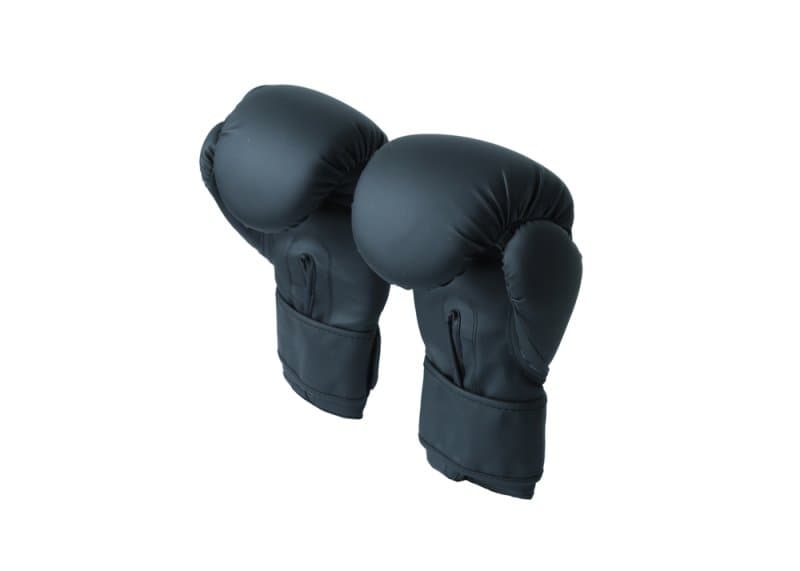
Yes, but keep it light. Boxing gloves vs MMA gloves for training isn’t an even swap. MMA gloves work fine for pad rounds, speed drills, and quick combinations. They just don’t support your wrist well, so long, heavy sessions can leave your hands aching. Keep rounds short and wrap your hands properly.
Only own MMA gloves? Use them for technique work, not power rounds. Once the session turns heavy, switch to boxing gloves.
Are Boxing Gloves Safer Than MMA Gloves for Heavy Bag Workouts?
Usually, yes. A heavy bag throws all that force right back into your hand. Boxing gloves soak up more of the shock and hold your wrist in line. MMA gloves can work on a bag, but the thin foam leaves your knuckles and fingers exposed. Hard hitters tend to feel it sooner.
If MMA gloves are all you’ve got, limit your rounds, wrap tightly, and don’t swing at full power every time.
MMA Gloves vs Boxing Gloves for Sparring: What Should You Pick?
MMA gloves vs boxing gloves for sparring depends on what you’re sparring. For striking-only rounds, grab boxing gloves at 14 to 16 ounces. For MMA sparring, go with bigger padded MMA sparring gloves, not the thin competition kind. Your partner’s face matters as much as your knuckles.
Try to match glove weights with your partner, too. A big gap in padding can turn an easy session into a risky one.
Must Try: Henry Armstrong: Major Boxing Record & World Title Reigns
When Should You Use MMA Gloves Instead of Boxing Gloves?
Reach for MMA gloves when your session includes grappling, clinch work, or takedown entries. They also suit fight-style drills, where open fingers actually matter. A quick check:
- You train striking and grappling in the same round.
- Your coach asks for MMA-style gear.
- You’re getting ready for an MMA bout.
Skip them for heavy bag sessions or hard sparring, unless your coach has planned it.
Conclusion
So which one wins in boxing gloves vs MMA gloves? It depends on your goal. Boxing gloves are the pick for punching, bag work, and beginner sparring. MMA gloves earn their spot in grappling and fight-style drills. Match the gear to the session, wrap your hands, and look out for your partner. Safe habits keep you training longer.
Frequently Asked Questions
How heavy should boxing gloves be for sparring?
Most coaches say 14 to 16 ounces for sparring. The extra foam protects both fighters, especially when sizes and skill levels don’t match. Save lighter gloves for bag work, pads, and speed drills.
Do MMA gloves protect your fingers?
Not really. The fingertips are open so you can grip, which makes jams and scrapes more likely. Hand wraps support your knuckles and wrist, but your fingers carry more risk than in boxing gloves.
Should I wear hand wraps with both glove types?
Yes. Wraps support your knuckles, thumb, and wrist no matter which gloves you wear. They matter even more with thin MMA gloves, and they soak up sweat so the lining stays fresher.
How often should you replace training gloves?
Swap them when the foam feels flat, the seams split, or the lining stays damp and smelly. With regular training, that’s often every year or two. Flat padding just doesn’t protect your hands anymore.
Are lace-up gloves better than Velcro gloves?
For training, Velcro is easier because you can put them on alone. Lace-ups fit tighter and suit competition, but you’ll need a partner to tie them. Most beginners are happier with Velcro.