

Henry Armstrong: Major Boxing Record & World Title Reigns
Blog / Oct 16,2026
Key Takeaways
- Capturing one division is an accomplishment; locking down three distinct weight classes simultaneously is an unrepeatable athletic anomaly.
- Operating with an unmatched stamina engine allowed this fighter to suffocate opponents and rack up an undeniable century of knockouts.
- Modern sports rules completely prohibit anyone from attempting his signature milestone, cementing his specific legacy permanently in the history books.
Modern combat sports fans celebrate athletes who merely move up a weight class to challenge a new opponent. This level of ambition pales in comparison to the absolute dominance of Henry Armstrong. This was not a fighter who vacated a belt to chase another; he held the entire sport hostage across three separate divisions simultaneously. Decades before massive television deals and strategic matchmaking, this legendary figure stepped into the ring over 180 times, fighting the best contenders of his era without hesitation.
Top Pick: Who is Manny Pacquiao? Record, Titles, and Career Explained
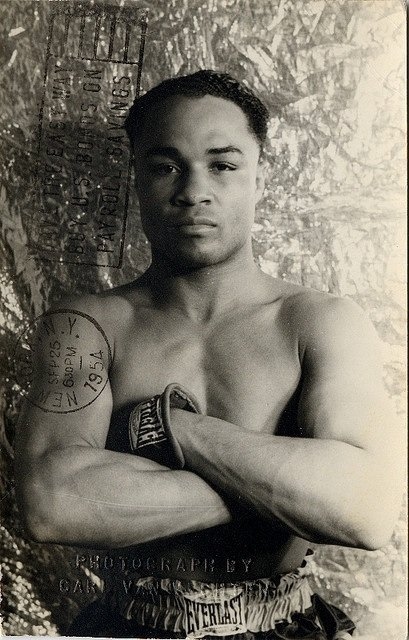
Who is Henry Armstrong?
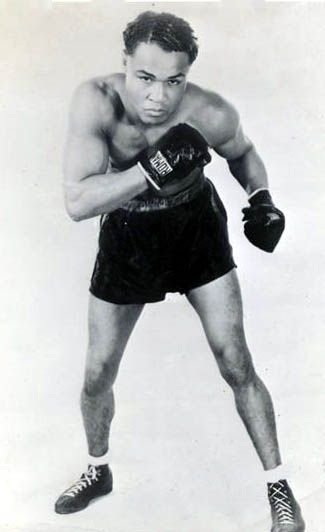
He remains the only boxer in history to hold world championships in three different weight classes at the same time. During an era with only eight recognized divisions, he never let opponents breathe, walking through their best shots and drowning them in non-stop punches until they simply folded.
Beyond his terrifying ring presence, he was born Henry Jackson in 1912, later adopting a new surname to launch his professional campaign. Rising from a grueling background of laying railroad tracks, his intense drive forged a career that culminated in him becoming an ordained minister serving at-risk youth.
Must Read: Who is Floyd Mayweather Jr.? Record, Career, and Net Worth
Henry Armstrong Boxing Record: Everything You Need to Know
You cannot grasp his absolute superiority without looking at the sheer volume of his professional output. His career statistics are staggering and definitively prove his relentless work ethic.
Massive Fight Total
He stepped through the ropes for 181 official professional bouts, an active schedule that modern athletes completely refuse to undertake.
Win Column
He secured 151 undisputed victories, establishing a sustained level of success against the toughest contenders across multiple weight classes.
Knockout Power
Do not mistake him for a simple volume puncher; he recorded 101 outright knockouts, forcing referees to intervene and stop the fight.
Defeats
He suffered 21 losses and fought to 9 draws, mostly at the very beginning of his journey or during the twilight of his prolonged campaign.
Henry Armstrong World Titles: A Detailed List
Capturing a single belt validates a career, but this champion engineered a ten-month hostile takeover of three divisions. No one else has replicated this precise championship sequence.
Featherweight Crown
In October 1937, he knocked out Petey Sarron in the sixth round, capturing his very first undisputed world championship.
Welterweight Conquest
Bypassing the next weight class up, he challenged Barney Ross in May 1938, securing a definitive points victory for his second simultaneous belt.
Lightweight Completion
He dropped back down in weight in August 1938 to defeat Lou Ambers, successfully holding all three crowns at the same moment.
What Are the Biggest Henry Armstrong Achievements?
His legacy extends far beyond the triple-crown milestone. The sheer scope of his success requires a closer look at his undeniable historical footprint.
Welterweight Defenses
He did not just win the 147-pound belt; he defended it an astonishing 19 times, setting a high-water mark for the division.
Stolen Fourth Crown
He challenged Ceferino Garcia for the middleweight title in March 1940. The bout ended in a controversial draw, denying him a historic fourth division.
Winning Streak
During his absolute prime, he strung together 46 consecutive victories, a relentless run of perfection that completely cleared out his competition.
Hall of Fame Election
He was among the very first modern-era fighters inducted into the International Boxing Hall of Fame in 1954, alongside massive icons like Jack Dempsey.
Tracing the Henry Armstrong Biography Timeline
Understanding the man requires looking past the gloves and dissecting the path that forged his unbreakable resolve. The journey from poverty to greatness is striking.
Mississippi Origins
He was born in Columbus, Mississippi, as the eleventh of fifteen children, before his family relocated to St. Louis to seek better opportunities.
Olympic Setback
He failed to qualify for the 1932 United States Olympic team, a massive disappointment that instantly pushed him to enter the professional ranks.
Melody Jackson Era
Before finding his definitive identity, he fought under the alias Melody Jackson during his early, unpolished fights in Pennsylvania.
Post-Ring Calling
After retiring broke in 1945 and battling severe alcoholism, he transformed his life in 1951 to become an ordained Baptist minister.
Earning the Fear: The Henry Armstrong Nickname
You do not get called "Homicide Hank" by fighting a defensive, careful style. The iconic Henry Armstrong nickname was earned through his terrifying habit of overwhelming opponents with an endless barrage of punches from the opening bell. Journalists also crowned him "Hurricane Hank," perfectly describing the chaotic, suffocating pressure he applied to anyone standing across from him. He possessed a resting heart rate significantly lower than the average human, granting him a freakish cardiovascular engine. This biological advantage meant he never stopped throwing leather, forcing his adversaries to constantly retreat until their own endurance completely collapsed under the sheer volume of the assault.
Conclusion
The history of combat sports is filled with temporary champions, but the legacy of Henry Armstrong remains an untouchable standard of endurance and absolute supremacy. He did not rely on carefully managed matchmaking or favorable judges; he overwhelmed the absolute best fighters of his generation through sheer willpower and a relentless offensive engine.
Frequently Asked Questions
What specific physiological trait allowed him to throw so many punches without tiring?
Doctors checking him out discovered his heart was actually enlarged and his resting pulse was freakishly slow. This setup acted like an unlimited gas tank, letting him throw non-stop leather for fifteen straight rounds while his opponents completely ran out of air.
Did he ever fight the legendary Sugar Ray Robinson during his professional career?
Yes, they clashed in 1943. Armstrong was completely past his prime, while Robinson was an untouched rising star. Robinson ended up winning a clean decision, but ringside reporters noted he actively held back his heaviest shots just to keep his childhood hero from hitting the canvas.
How did he lose his massive boxing fortune after retiring from the ring?
He pulled in over half a million dollars during the Great Depression but blew it all almost instantly. Handing out cash to a massive entourage, pouring money into dead-end investments, and spiraling into heavy alcoholism left him flat broke just a few years after hanging up the gloves.
What happened during the Ceferino Garcia middleweight title fight?
In 1940, he jumped up another weight class to hunt down a fourth simultaneous belt against Garcia. Most experts in the building thought Armstrong clearly out-hustled the champion for ten rounds, but the judges handed down a highly suspicious draw, letting Garcia keep the title and robbing Armstrong of untouchable history.
How did his early work as a railroad laborer influence his fighting style?
Driving heavy spikes into railroad ties under the blistering sun forged immense upper-body strength and unparalleled shoulder endurance.