

Muhammad Ali & The Story Behind His Lasting Boxing Legacy
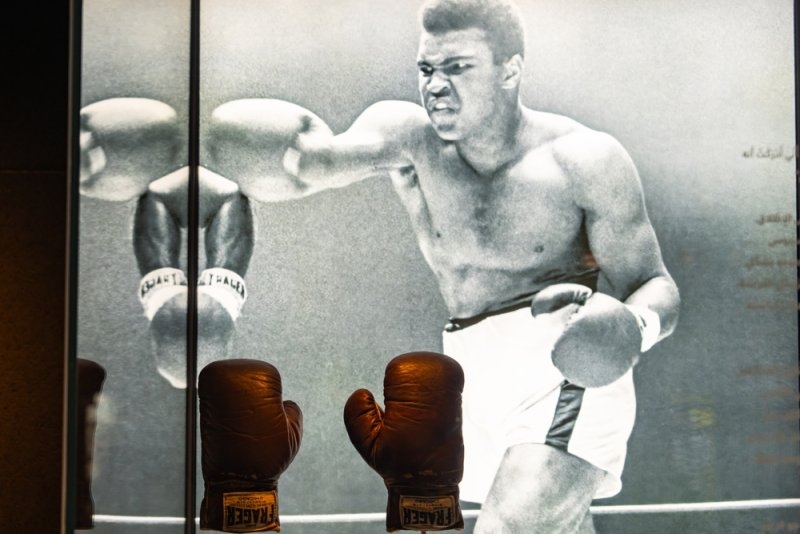
Blog / Sep 28,2026
Quick Lessons
- Muhammad Ali reshaped boxing with his lightning-fast moves, his bold attitude, and a personality that filled up a room.
- He grabbed the heavyweight title three times—but honestly, what made him stand out wasn’t just the wins.
- His biggest fights turned into cultural events that everyone talked about, not just boxing matches.
- Before Ali started his pro career, he was already an Olympic champion.
- Even back then, you could feel he was about to change the game.
Muhammad Ali was a renowned man for more than fighting in the heavyweight division. He was a fusion of unusual speed, sharp footwork, confidence, poetry, protest, and showmanship, which he combined in his public persona. Muhammad Ali’s career played out in dramatic stages—from his Olympic glory to world championship showdowns and then the years of exile, unforgettable comebacks, and moments that rewrote boxing’s history.
But honestly, the stats only tell part of the story. When people watched Ali in the ring, listened to him talk, or argued about what he represented, his real influence hit home. That’s what this blog digs into—Ali’s boxing life, what it means to shape a fight, the things he pulled off, and why his legacy still hits hard today.
Muhammad Ali's Biography and the Road to Fame
Muhammad Ali's biography accounts usually begin with Louisville, but his transformation started before he became a professional star.
Muhammad Ali's Early Life
Muhammad Ali was born Cassius Marcellus Clay Jr on January 17, 1942, in Louisville, Kentucky. He began boxing as a child after his bicycle was stolen; the young Clay reportedly wanted to learn how to fight the person responsible. Trainer Joe Martin noticed his potential.
Muhammad Ali's early life was shaped by boxing discipline, family influences, and the racial realities of 1950s America. He won an Olympic gold medal at the 1960 Rome Games as a light heavyweight, then entered professional boxing.
The Muhammad Ali biography is therefore not simply a story about natural talent. Training, timing and relentless confidence mattered just as much.
Who Was Muhammad Ali?
Who was Muhammad Ali beyond the famous name? He was an athlete who deliberately turned himself into a public personality. He talked constantly, predicted victories, invented rhymes and understood that attention could become part of a fighter's weapon.
Muhammad Ali's facts often focus on his statements, but the deeper point is that his personality changed expectations around heavyweight champions. He made interviews part of the spectacle.
Don't Miss: Rise of Japan’s Samurai: Boxing’s Golden Age Goes Global
Muhammad Ali's Boxing Career and His Defining Style
Muhammad Ali's boxing career statistics tell only part of the story because his fighting style was unusually difficult to solve.
Muhammad Ali Boxing Record
Muhammad Ali finished his professional career with a 56-5 record, including 37 knockouts. That Muhammad Ali boxing record places him among the most accomplished heavyweight fighters ever.
Yet the Muhammad Ali boxing record needs context. He fought through different chapters in his career. Early on, he was all speed and reflexes. Later, he leaned on strategy, experience, and just being tough. Each era showed another side of him.
His Muhammad Ali boxing career lasted from 1960 to 1981, covering 61 professional bouts.
Muhammad Ali Achievements
Among the major Muhammad Ali achievements were his three heavyweight world championship reigns. He became heavyweight champion by defeating Sonny Liston in 1964, regained the title after his forced absence, then captured it again later in his career.
Key Muhammad Ali achievements included:
- Olympic gold in 1960 as a light heavyweight.
- Three-time heavyweight world champion.
- 56 professional victories from 61 bouts.
- Victories over several leading heavyweight contenders of his era.
These Muhammad Ali achievements explain why his career remains central to boxing history.
Muhammad Ali's Famous Fights That Changed Boxing
Muhammad Ali's famous fights were memorable because each carried a different sporting problem, personal story, or historical setting.
Muhammad Ali vs Joe Frazier Fights
The Muhammad Ali vs Joe Frazier fight became one of boxing's defining rivalries. Their first meeting, the 1971 “Fight of the Century", ended with Frazier winning by unanimous decision.
The second fight went to Ali by decision in 1974. Their third meeting, the 1975 “Thrilla in Manila", became a brutal contest that ended after Frazier's corner stopped the fight before the final round.
The Muhammad Ali vs Joe Frazier fight showed two very different heavyweight styles. Ali used movement, range and timing; Frazier pressed forward, attacked the body and applied constant pressure.
Muhammad Ali vs George Foreman Fight
The Muhammad Ali vs George Foreman fight in 1974 produced one of boxing's greatest tactical surprises. The foreman entered as a powerful, undefeated champion, while Ali was expected by many observers to struggle with his strength.
Ali used the “rope-a-dope” approach, allowing Foreman to throw punches while conserving energy. Then Ali attacked when Foreman slowed. The fight ended with Ali winning by eighth-round knockout.
That Muhammad Ali vs George Foreman fight restored Ali as heavyweight champion and became one of the clearest examples of strategy overcoming raw physical pressure.
Suggested Reading: Story of Kid Tunero: The Lost History of Boxing in Cuba
Muhammad Ali: Facts Behind the Public Image
Muhammad Ali's facts become more interesting when the famous mythology is separated from what actually happened.
Muhammad Ali's Life Story
The Muhammad Ali life story included major disruption. In 1967, he refused induction into the U.S. Army during the Vietnam War, citing his religious beliefs. His boxing license was suspended, and his heavyweight title was stripped.
He lost several prime years before returning to boxing in 1970. The Muhammad Ali life story then moved into a remarkable second phase, where he defeated Joe Frazier and George Foreman before winning further major fights.
Muhammad Ali's facts also show how unusual his career was: he was simultaneously a champion, celebrity and controversial public figure.
Muhammad Ali Championship Titles
Muhammad Ali's championship titles were won across three separate periods rather than in one uninterrupted reign. His first title came against Sonny Liston, his second followed his return from exile, and his third was secured against Leon Spinks in 1978.
The Muhammad Ali championship titles matter because the divisions and sanctioning systems of later boxing did not exist in exactly the same form during his era. Comparisons with modern champions should therefore be made carefully.
| Career feature | Muhammad Ali | Modern heavyweight comparison |
|---|---|---|
| Olympic background | 1960 gold medal | Varies by fighter |
| World title reigns | Three | Varies |
| Professional record | 56-5 | Varies |
| Fighting style | Movement, speed, timing | Styles differ. |
| Public persona | Highly theatrical | Usually more media-driven |
Muhammad Ali Legacy and Why It Still Matters
Muhammad Ali's legacy is difficult to reduce to medals because his influence crossed sport, media, and popular culture.
Why Is Muhammad Ali Famous?
Why is Muhammad Ali famous? His fame came from a rare combination of sporting success and personality. He was fast for a heavyweight, spoke with unusual confidence, fought elite opponents repeatedly and became part of major social debates.
Muhammad Ali's boxing career highlights gave him credibility, while his personality made those achievements memorable outside boxing circles.
Muhammad Ali Legacy
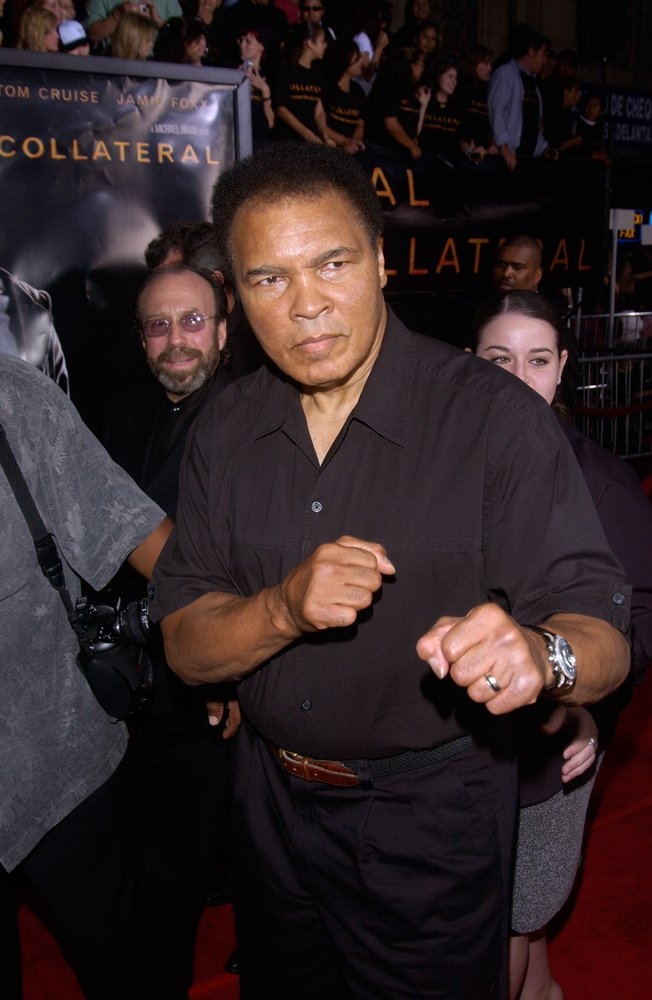
Muhammad Ali's legacy survives because later generations inherited more than his statistics. Fighters copied elements of his movement, promotional confidence, and psychological tactics. Broadcasters still replay his fights. Writers still examine his public statements.
The Muhammad Ali legacy also rests on contrast. He could be playful one moment, confrontational the next, and then intensely serious when discussing belief or principle. That complexity kept him relevant.
The Muhammad Ali biography remains useful because it shows how an athlete can become larger than a sport without becoming separate from it.
Also Read: Jack Johnson Boxer: Everything About this Legend's Legacy
Conclusion
Muhammad Ali wasn't the perfect fighter; he established his reputation. His legacy was steeped in Olympic accomplishment, the heavyweight victories, the tough competition, the strategic wins, and the obvious roar of his public persona. His competitive goal is described in the Muhammad Ali boxing record; his sporting significance is shown in his now legendary fights.
His character is what makes his name still alive today. Muhammad Ali changed the way that a heavyweight champion could move, talk, and exist within a public arena. That is his legacy in boxing that will last forever.
Frequently Asked Questions
What was Muhammad Ali's original name?
Cassius Marcellus Clay Jr., otherwise known as Muhammad Ali, was born in 1942. Later converted to the Nation of Islam and adopted another name.
When did Muhammad Ali retire from boxing?
Muhammad Ali's last professional fight was in December 1981, when he suffered a unanimous decision defeat at the hands of Trevor Berbick.
What was the height of Muhammad Ali?
Ali stood about 6 feet 3, which gave him the size and speed you want in a heavyweight. His height also meant he had a long reach, letting him control the distance in the ring.
What was Muhammad Ali's reach?
Muhammad Ali's reach was estimated at 78 inches. He had good length and was good at the jab movement and the ability to fight from a distance.
Where did Muhammad Ali train?
At several locations throughout the course of his career, Muhammad Ali trained, most notably at the 5th Street Gym in the heart of Miami at crucial moments in his professional growth.