

How is Boxing Scored? A Full Guide to the Judges and Rules

Blog / Sep 09,2026
Key Takeaways
- Boxing scoring comes down to the 10-Point Must System, and nearly every judge uses it.
- Judges are watching for aggression that actually lands, ring control, defense, and clean shots.
- A knockdown almost always drops a round from 10-9 to 10-8 against the fighter who fell.
- Referees can call for a point deduction over fouls like low blows or holding.
- A fight can end unanimously, split, majority, or a flat-out draw, and the difference matters.
Ever watched a close fight go the distance and had no clue why one guy got the nod? You're not alone. Boxing scoring looks mysterious until you actually break down what those three people at ringside are doing. Once you get the hang of it, though, the boxing rules stop feeling arbitrary and start making a lot more sense. This piece walks through the scoring in boxing that shapes every round, plus the messy bits where fans usually start arguing.
What is Boxing Scoring?
At its core, boxing scoring is just a way to figure out who did more damage or controlled more of the fight when nobody gets knocked out cold. It sounds simple, but it's the only thing standing between a fair result and total chaos. Every boxer, coach, and fan has a stake in judges getting it right.
What is the 10-Point Must System?
This is the boxing scoring system almost every commission on the planet relies on now. The fighter who wins a round gets 10 points; the other guy usually gets 9. If someone gets dropped and dominates on top of that, the score can slide to 10-8. Judges don't love using it, but they can even call a round dead even at 10-10 if that's genuinely how it played out.
How is Boxing Scored? Outcomes Compared
Once the final bell rings, all those individual scorecards get added up, and that's what decides the outcome.
| Decision Type | What It Means |
| Unanimous Decision | All three judges land on the same fighter as the winner |
| Split Decision | Two judges pick one boxer, the third picks the other |
| Majority Decision | Two judges agree on a winner, the third scores it even |
| Draw | The cards split evenly, or everyone just calls it a wash |
How Does Boxing Scoring Work?
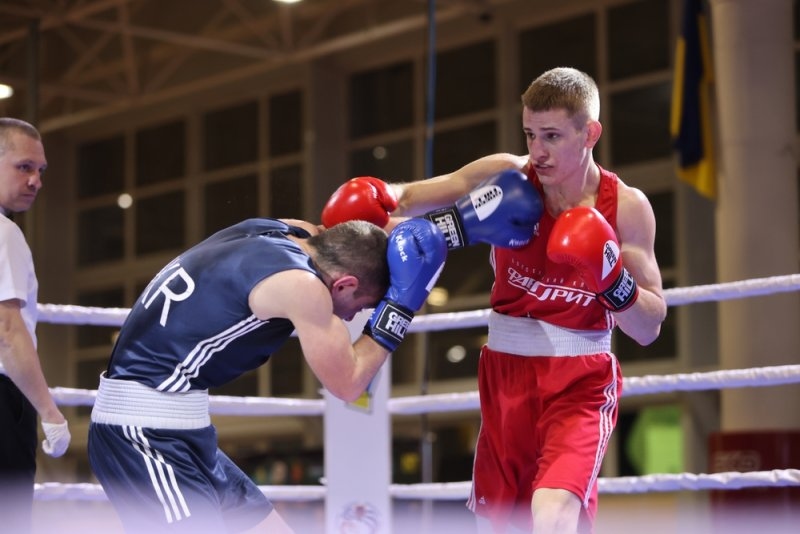
There's a rhythm to how judges actually work through a round, even if it happens fast.
1. Watching for Punches That Land
Throwing a lot of punches means nothing if half of them miss or get blocked. Judges are looking for the guy who's actually connecting, not just the one who looks busier.
2. Who's Controlling the Fight
This one's about who's setting the pace and forcing the other fighter to react. If a boxer keeps backing his opponent into the ropes, that's worth something on the cards.
3. Defense and Clean Shots Still Count
A fighter who slips punches and barely gets touched is doing real work, even without throwing much back. Add in a few hard, clean shots, and that round is usually his.
Must Read: How to Choose Between Boxing vs Muay Thai for Striking?
What are the Basic Boxing Rules Judges Follow?
Before scoring even comes into play, boxers have to stay inside a pretty strict set of rules.
1. Fouls That Cost You Points
Low blows, headbutts, holding, and hitting below the belt—none of that flies, and referees will dock a point on the spot. It doesn't take much for a warning to turn into a deduction.
2. When Accidents Add Up
Nobody gets penalized for one accidental foul, but keep doing it and a referee will eventually call it. Repetition is what turns a mistake into a deduction.
3. Referees and Judges Working Together
The referee handles what happens live in the ring, and judges take those calls straight into account on their cards. It only works because both sides are paying attention to the same fight.
Understanding the Boxing Scoring System and Knockdowns
This is where the boxing scoring system gets interesting, because a single moment can flip an entire round.
1. What a Knockdown Actually Does
Getting dropped costs a fighter a point almost every time, no matter how the rest of the round went. It's brutal, but it's also one of the clearest rules in the sport.
2. Adding It All Up
Judges keep a running tally after every round, and by the final bell those numbers decide everything. A boxer who sweeps a 12-round fight could theoretically walk away with a 120-108 score.
3. Why This Stuff Gets Argued Over
Honestly, deductions are where most of the scoring in boxing controversy comes from. One point taken away can turn a comfortable win into a nail-biter, or worse, a draw nobody saw coming.
Top Pick: Boxing vs MMA: Understanding Rules, Training, & Fight Style
Conclusion
Boxing scoring isn't nearly as complicated as it looks once you know what judges are actually watching for. Aggression, control, defense, and clean punching—that's basically the whole formula behind every scorecard. Next time a fight goes the distance, you'll actually understand the decision instead of just yelling at the screen.
Frequently Asked Questions
How is boxing scored if there is no knockout?
If nobody gets stopped, it all comes down to the three judges sitting ringside with their scorecards. They add up their totals after the last round, and whoever's got the bigger number wins.
What is the boxing scoring system called?
Everyone calls it the 10-Point Must System, and pretty much every commission out there uses it. The round winner gets ten points, the loser gets nine, and that shifts a bit if there's a knockdown or a deduction thrown in.
What boxing rules can lead to a point deduction?
Low blows, headbutts, holding on too long—that kind of thing gets you docked a point pretty quick. Referees aren't shy about it either; they'll flag it right there in the moment so the judges know to adjust their card.
How does boxing scoring work when judges disagree?
Honestly, this happens more than people think. One judge has it one way, another sees the exact same fight completely differently, and as long as two out of three agree, that's your winner.
What happens in a boxing scoring draw?
Sometimes nobody's card lines up clean enough to call it. Could be all three judges genuinely thought it was even, or maybe the scores just canceled each other out; either way, no winner gets declared that night.