

Filled Vs Unfilled Punch Bags: Which One You Should Buy?
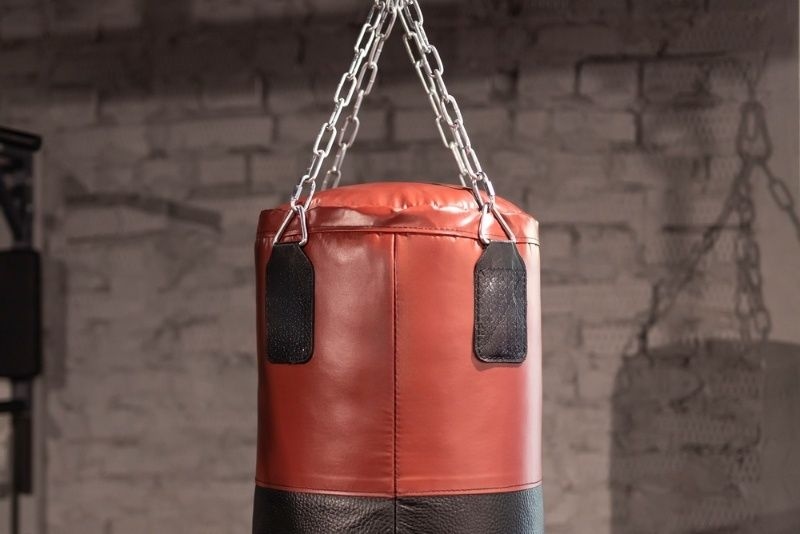
Blog / May 19,2026
Buying boxing gear sounds simple until the person actually starts looking. Suddenly there are long bags, short bags, leather bags, canvas bags, wall brackets, ceiling mounts, chains, stands, weights, and one big question: Should the bag arrive already filled, or should it be filled at home?
That is where punch bags can get a little confusing for beginners. A filled bag sounds easier. Take it out, hang it up, and start training. Nice. An unfilled bag sounds cheaper and more flexible, but then the buyer has to figure out what goes inside it, how heavy it should be, and how to stop it from feeling like a sack of bricks.
Neither option is perfect for everyone. The right choice depends on budget, space, training style, strength level, delivery cost, and whether the person wants convenience or control.
What are Filled Punch Bags?
A filled punchbag arrives ready to use. It already has material inside, usually fabric cuttings, textile pieces, sand blends, foam layers, or a mix, depending on the brand. The buyer does not have to hunt around for fillings or spend an afternoon stuffing the bag in the garage.
For many people, that is the biggest advantage. It is simple. A beginner can buy the bag, hang it safely, put on gloves, and start working on basic punches.
A filled bag also tends to feel more consistent if it comes from a good brand. The weight is known. The density is usually balanced. The shape should be firm enough for training without having weird empty pockets.
What is an Unfilled Punch Bag?
An unfilled punchbag comes as the outer shell only. The buyer fills it at home with old clothes, fabric scraps, towels, rags, foam, rubber pieces, sandbags, or a careful mix. It is usually easier and cheaper to ship because it does not weigh much when empty.
This option suits people who want control over the final weight and feel. A lighter fill can make the bag softer. A denser fill can make it heavier. That sounds good, but it also means the buyer has to do the work properly.
If filled badly, the bag may feel lumpy, too hard at the bottom, too soft at the top, or just annoying to hit. Nobody wants that.
Filled Punch Bags are Better for Convenience
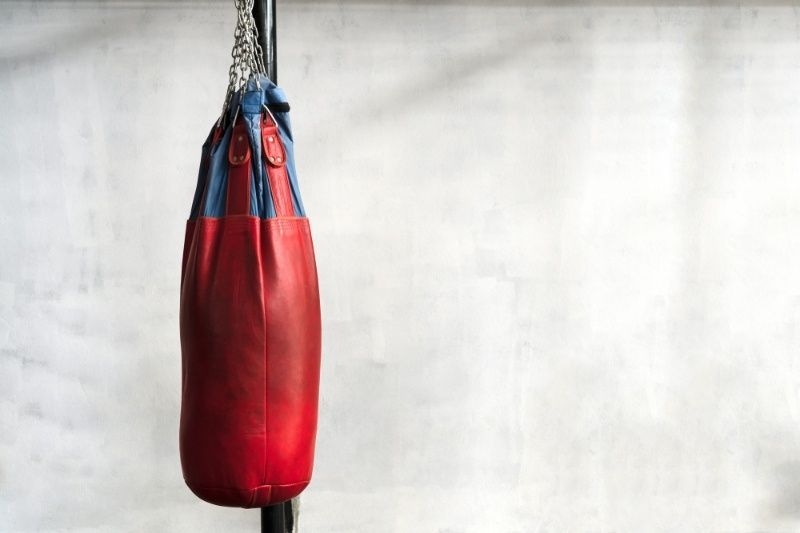
A filled punchbag is the easier choice for someone who wants to start quickly. There is no guessing, no stuffing, no mess, and no wondering whether the bag is packed evenly enough.
This matters a lot for people buying a boxing bag for home. Home training already has enough setup decisions. Where will it hang? Is the ceiling strong enough? Is there space around it? Will the neighbors hear every punch? A ready-filled bag removes at least one problem from the list.
When Filled, It Makes More Sense
A filled option is better when:
- The buyer is new to boxing
- Convenience matters more than saving money
- The person wants a known weight
- The bag is from a trusted brand
- There is no easy access to filling material
- The buyer does not want trial and error
For most beginners, simple is underrated.
Unfilled Punch Bags are Better for Control
An unfilled punchbag makes sense when the buyer wants to customize weight and feel. Some people prefer a softer bag for lighter boxing workouts. Some want a heavier, denser bag for power training. Some already have fabric scraps or old clothes at home and do not want to pay shipping on a heavy item.
It can also be easier to move before filling. A person living in an apartment may not enjoy dragging a 100-pound bag through hallways and stairs. An empty shell is much easier to handle.
The catch is patience. The bag needs to be packed tightly and evenly. Soft material should be pressed down in layers. If sand is used, it should be sealed inside smaller bags and placed carefully, not dumped loose inside.
Which is Better for Beginners?
The best punch bag for beginners is usually a filled medium-weight bag, especially if the person has never trained before. It gives a more predictable experience and avoids the common mistake of making the bag too hard.
Beginners often think heavier is better. Not always. A very hard heavy punching bag can hurt wrists, knuckles, and shoulders if technique is poor. It can also make training feel unpleasant. A beginner needs something firm enough to take punches but forgiving enough to practice safely.
For most home users, a bag around 70 to 100 pounds works well, depending on body weight, strength, and training goals. Lighter users may prefer something smaller. Stronger adults may want more resistance.
Must Read: Best Exercises To Lose Belly Fat And Get A Flat Stomach
Weight and Filling Material Matter
The feel of the bag matters more than people expect. A bag that swings too much can be frustrating. A bag that barely moves can feel dead. A bag that is packed unevenly can become hard at the bottom and soft near the top.
A good heavy punching bag should absorb impact without punishing the hands. Gloves and hand wraps are still important. Even a soft bag can cause discomfort if the person punches bare-knuckled or with poor wrist alignment.
Common Filling Options
People filling a bag at home often use:
- Old clothes
- Towels
- Fabric scraps
- Foam pieces
- Rubber mulch
- Sawdust in small amounts
- Sandbags for added weight
Loose sand should be avoided because it can settle at the bottom and make the lower section rock-hard.
Home Setup Should Come Before the Purchase
Before buying any boxing bag for home, the buyer should check where it will go. Hanging bags need strong ceiling beams, wall brackets, or a solid stand. A weak mount is dangerous. It can damage the ceiling, crack walls, or fall during use.
Space matters too. The bag needs room to swing. The user needs space to move around it. A cramped corner may work for light punches, but not for proper footwork.
Filled vs. Unfilled: Cost and Shipping
Price can be tricky. An unfilled bag may look cheaper at first, but the buyer still needs filling. If old clothes and fabric scraps are already available, that is great. If not, buying filling can reduce the savings.
Shipping is where unfilled bags often win. Filled bags are heavy, and delivery costs can be high. For online buyers, this can make a big difference.
Still, the best punchbag for beginners is not always the cheapest one. A badly filled cheap bag can become frustrating fast. Spending a little more on a ready-filled option may save time and irritation.
Check Out: A Guide to 6 Creatine Benefits For Body And Brain In 2026
Final Thoughts
Both filled and unfilled punch bags can be good choices. A filled bag is easier, faster, and more predictable. An unfilled bag is cheaper to ship, easier to move before setup, and more customizable.
For most beginners, the filled option is usually the safer bet. It removes guesswork and lets the person focus on learning punches, footwork, breathing, and rhythm. For experienced users or budget-conscious buyers who enjoy setting things up themselves, an unfilled bag can work well.
The best choice is not about which bag sounds more serious. It is about which one the person will actually use regularly without regret.
FAQ
1. Can a Punch Bag Be too Heavy for a Beginner?
Yes, a punchbag can be way too heavy for a beginner. If the bag is difficult to move and painful to the touch, it can encourage bad punching habits or put stress on the wrists and shoulders. A medium-weight bag with a bit of give is usually better for beginners. It should be firm, not like hitting a wall.
2. What Should Someone Avoid When Filling an Unfilled Punch Bag?
The biggest mistake is dumping loose sand into the bag. It settles at the bottom and turns that section extremely hard. That can hurt the hands and make the bag feel uneven. It is better to use layered fabric, old clothes, towels, or foam and then add sealed sandbags only if more weight is needed.
3. Is a Hanging Bag Better Than a Free-Standing Bag?
Usually for boxing a hanging bag feels more natural because it swings and reacts to punches. It assists with timing, movement, and range. A free-standing bag is more convenient for renters or for those who can’t drill into walls or ceilings. The best choice depends on space, noise limits, mounting options, and how serious the person plans to train.