

Best Boxing Defense Drills That Every Fighter Should Know
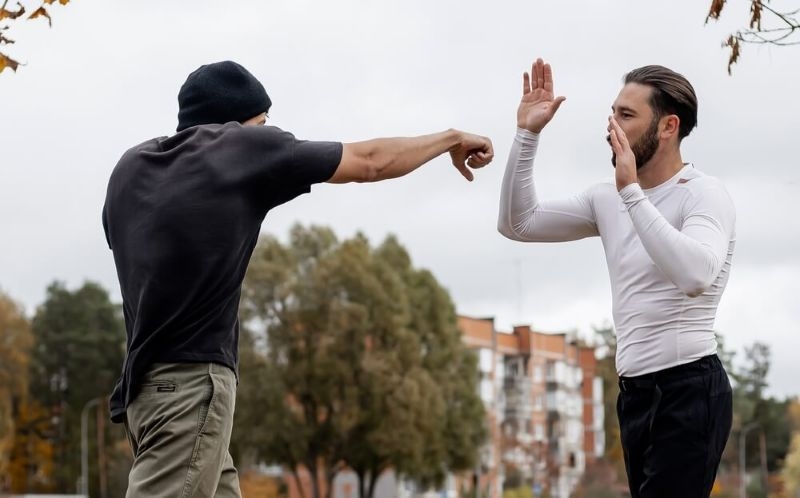
Blog / Apr 09,2026
Boxing is not about throwing punches; boxing is about knowing how to protect yourself just as well as you throw punches. A great boxer knows how to do both. That is why boxing defense drills are a part of training for boxing. They help you avoid punches from your opponent, stay balanced on your feet, and control the fight.
Whether you are a beginner at boxing or someone with experience in boxing, learning defense in boxing can take your skills in boxing to the next level. In this blog, we will explore effective ways to improve your defense in boxing using practical exercises and easy-to-follow techniques for boxing defense.
Basic Boxing Defense Drills You Must Learn
Before starting boxing defense drills, it is essential to understand the core moves that form the foundation of defense in boxing.
1. Guard Position
Your guard is your shield in boxing. Keep your hands up at all times to protect your face, while your elbows stay close to your body to defend against punches. A proper guard reduces the impact of punches from your opponent. Keeps you ready to respond quickly to their attacks.
2. Slipping
Slipping is a powerful move in boxing. You move your head slightly to the side to avoid punches from your opponent. Among all boxing defense techniques, slipping is highly effective because it keeps you in position to strike back at your opponent.
3. Rolling
Rolling is used to defend against hooks in boxing. You bend your knees slightly. Move your upper body in a circular motion so the punch from your opponent passes over your shoulder. This technique requires timing and balance to execute
4. Blocking
Blocking means using your gloves and arms to stop punches from your opponent. While it does not completely avoid impact, it helps reduce damage to your body and keeps you safe in situations during a boxing match.
5. Footwork
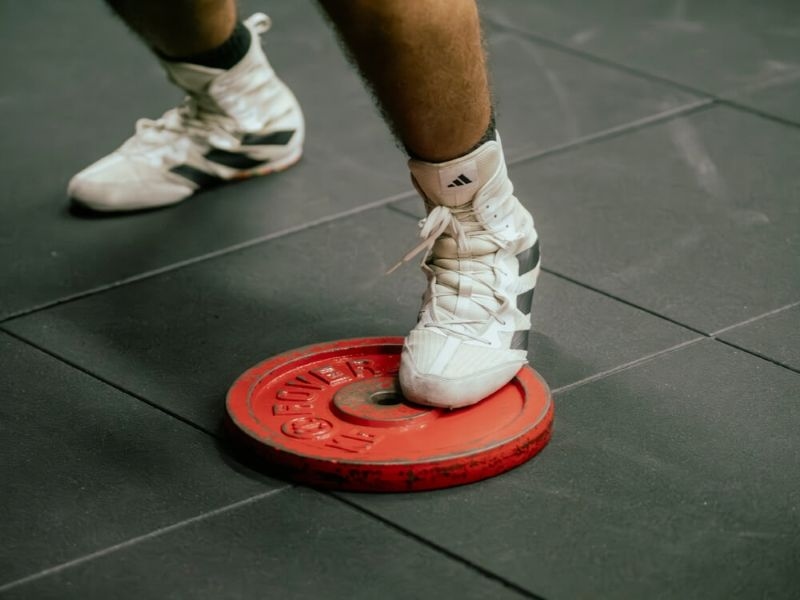
Footwork is often. Plays a huge role in defense in boxing. Moving your feet helps you stay out of range of your opponent’s punches and control the distance between you and your opponent. Many training drills for boxing defense focus heavily on improving foot movement to enhance your defense in boxing.
Deep Dive Into This Topic: The Ring Magazine History: Boxing Champions Legacy Explained
Best Boxing Defense Drills for Beginners
If you are just starting out with boxing, these are some of the boxing defense drills to build a strong base in boxing defense.
1. Mirror Drill
The Mirror Drill is a straightforward yet highly effective way for new boxers to establish their defensive skills. You simply stand in front of a mirror and perform your defensive moves slowly while learning to perform them correctly. As you slip, roll, and keep your guard up, you can observe how you performed these actions, allowing you to identify mistakes and reinforce muscle memory. This drill is also considered to be one of the best defensive drills that new boxers can do.
2. Slip Rope Drill
In this drill, you use a rope set at shoulder height. Move under it to practice slipping and rolling while maintaining balance. This is one of the useful training drills for boxing defense because it improves rhythm and head movement to enhance your defense in boxing.
3. Shadowboxing with Defense
Shadowboxing becomes more effective when you add moves to your routine. Just punching includes slips, rolls, and footwork after every combination to improve your defense in boxing. This helps connect offense with boxing defense techniques in a flow to make you a better boxer.
Intermediate Boxing Defense Drills
Once you master boxing defense basics, try drills that sharpen timing and reaction, like dodging fast strikes before they land.
1. Partner Drill
Your partner hits you with punches, although you slip, block, or roll. It simulates real fights, makes responses quicker, and instincts sharper. You learn how to move when threats come in sudden bursts.
Training this way keeps defense sharp without overcomplicating moves.
2. Double-End Bag Drill
The double-end bag is great for improving reflexes and reaction time to enhance your defense in boxing. When you hit the bag, it swings back toward you, forcing you to react to defend against the punch. You must. Block at the right moment to improve your timing and defense in boxing.
3. Reaction Drill
Guarding flows through your hands when he shouts, and you shift before thought. Reaction sharpens. Defense snaps into place. No delay. No hesitation. Just instinct in motion.
Advanced Boxing Defense Drills
You push past what feels safe. Pressure tests how fast you can read a punch and pull back. Training under strain builds real edge in live fights.
1. Defensive Sparring
Moving is the priority, not countering, not striking - just slipping, sliding, staying low. Awareness keeps you alive even when punches land close.
2. Counter Defense Drill
This drill combines defense with counterattacks to improve your skills in boxing. For example, you slip a punch from your opponent. Immediately throw a counter to catch them off guard. It teaches you how to turn defense into offense using boxing defense techniques to outmaneuver your opponent.
3. High-Speed Pad Work
In this drill, a coach uses pads and throws quick combinations at you to test your defense in boxing. You must react by blocking, slipping, or rolling while staying balanced to improve your speed and focus and develop your skills in boxing defense.
Recommended Blog: Boxing Weight Classes: Why Divisions Matter In Pro Fights
Tips to Improve Your Defense Faster
Improving defense in boxing takes time. Small changes can make a big difference in your skills. Focus on staying relaxed and keeping your eyes on your opponent at all times to anticipate their moves. Practice regularly. Do not rush the learning process to develop your skills in boxing defense.
A coach probably tosses fast combos with pads during this drill to stress how well you defend in boxing. You need to block, slip, or roll, keep your center strong, and stay sharp so your reflexes grow. That kind of reaction work hones your defensive instincts.
Final Thoughts
Boxing defense training tends to offer real value for any serious boxer. It raises alertness, speeds up responses, and helps you trust what you are doing in the ring. Whether it's slipping early or using counters later, every move tightens your defensive edge.
You'll keep building strength if you stick with the routine and sharpen your form through regular sessions.
FAQs (Frequently Asked Questions)
How often should I practice boxing defense drills?
You probably shouldn't go more than once a week unless you're serious. Practicing three to four times may help build some muscle memory, but results tend to shift depending on how focused you are. A few minutes daily could work better than long sessions if done right.
Are boxing defense techniques useful for beginners?
And yes, they might actually matter, mainly if you start with basic things like blocking and slipping. It offers fresh hands a firm grip and helps shape daily routines. This stability probably stops shock when chaos hits.
What works best for sharpening reflexes?
The flow comes from actual motion, not repetition. You feel the pace, not a simulation. Sparring sharpens reflexes on the fly. That's what gives real edge in combat.
Can I practice Training Drills for Boxing Defense at home?
Definitely - you don't need a gym to try these out. Shadowboxing works fine, mainly if you keep it rhythmic. Mirror drills let you check form, and using a rope teaches slipping without extra gear.