

Rise of Japan’s Samurai: Boxing’s Golden Age Goes Global
Blog / Feb 27,2026
Japanese boxing is now part of every serious global boxing conversation. It stands for structure, discipline, and steady dominance. In recent years, Japanese boxing has produced elite champions who compete at the highest level.
This blog will explain to you everything about the Japanese boxing culture. It will also help you with the key highlights of Japanese boxing.
Must Read: Yudai Shigeoka: Professional Boxing History And Journey
Why is the Japanese Boxing Culture Popular?
The culture behind the sport is simple, but very strong. Discipline comes first. Respect follows closely. There is no rush to fame. There is a focus on skill.
Young fighters are trained with patience in Japanese boxing. Coaches insist on clean footwork before power. Balance before aggression. It may look slow in the beginning, but that patience creates stable fighters who last.
Another reason for the popularity is attitude. Japanese boxers rarely speak loudly outside the ring. They let performance do the talking. After fights, they bow. They thank their opponents. They accept results without drama. That behavior builds global respect.
Fans also shape the environment. Crowds observe closely and react to skill. They value clean combinations and smart defense. It creates a serious atmosphere where the sport feels pure.
Top 5 Japanese Boxers that Left a Mark on the Sport
You can find out the top 5 Japanese boxers who left a mark on this sport in the following list:
1. Naoya Inoue, Precision That Changed Divisions
Naoya Inoue represents modern excellence. His punches are sharp. His movement is controlled. He studies opponents carefully before stepping forward. He moved across weight classes without hesitation. Each performance looked prepared and properly calculated. This control helped him become one of the most respected World boxing champions in recent years.
2. Fighting Harada, A Pioneer of Global Respect
Fighting Harada competed during a time when recognition was harder to earn. He stepped into major international bouts with confidence and focus. His victories proved that talent from Japan could defeat established names. That mattered. It opened doors for future Boxing champions and strengthened belief inside the country.
3. Yoko Gushiken, Stability Over Time
Yoko Gushiken built his career on consistency. He defended his title again and again. Not through flashy moves, but through preparation. He showed that calm training leads to long reigns. His career remains an important chapter in Japanese Boxing history, often studied by trainers even today.
4. Masao Oba, Promise and Impact
Masao Oba reached a championship level at a young age. His speed and awareness made him stand out immediately. His career ended too soon, but his influence remains. He is remembered not just for titles, but for the belief he created in future Japanese boxers.
5. Junto Nakatani, The Next Standard
Junto Nakatani reflects the current generation. He had a tall frame, controlled defense, and smart offense. He fights with patience, waiting for the right opening. His rise shows that the system continues to produce elite competitors. The golden era is not fading. It is still active.
Things that Make Boxing in Japan Special
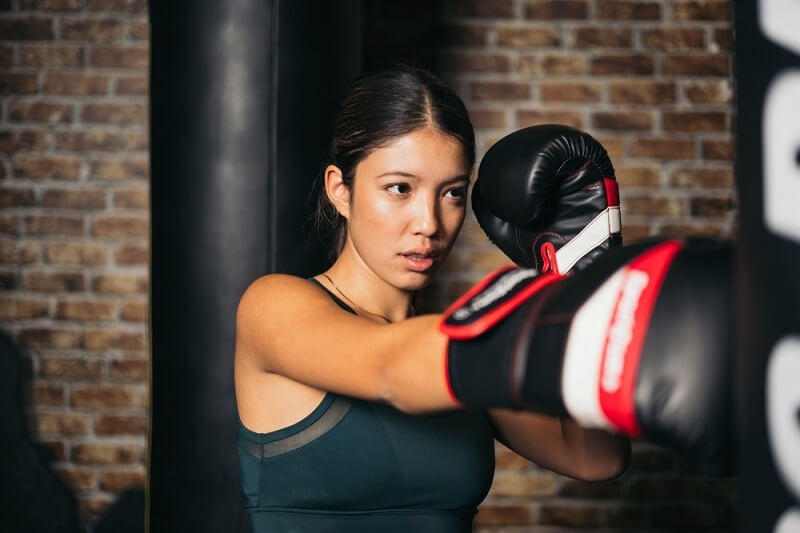
You can check the following things to make boxing in Japan special:
Discipline Built Into Daily Life
Training is not just a gym session. It becomes routine. Fighters follow strict schedules. Rest, diet, recovery. Everything matters. This structure creates stability inside the ring.
Technical Focus From the Start
Young athletes repeat basic drills for months. They do the same thing for years, like footwork drills, improving their balance, and lastly focus on increasing their power. This layered approach reduces careless mistakes during professional fights.
Respect and Professional Conduct
Behavior outside competition matters. Fighters speak calmly. They show gratitude. This professionalism shapes public perception and attracts global respect.
Strong Local Competition
Domestic tournaments are competitive. Fighters must prove themselves repeatedly before earning international opportunities. That process prepares them mentally and physically.
How the Boxing Champions from Japan Influenced the Sport?
You can refer to the following list to understand how the boxing champions influenced the sport:
Elevating Lighter Weight Divisions
Lighter divisions received limited attention for years. Japanese boxing shifted that focus. Fighters displayed speed and clean technique that demanded recognition. International audiences began to follow these divisions more closely. That shift changed promotional priorities worldwide.
Promoting Precision Over Reckless Power
Japanese boxers highlighted accuracy and timing. Instead of swinging wildly, they waited. They measured distance. This patient approach influenced training systems abroad. Gyms in other countries began emphasizing defense and movement more seriously.
Setting Behavioral Standards
Professional conduct became part of their brand. Calm interviews. Respectful gestures. This image strengthened the sport’s credibility globally.
What Helped Japan Produce World Boxing Champions?
You can refer to the following list to help Japan produce world boxing champions:
Structured Amateur Pathways
Young fighters often begin in amateur circuits. They gain ring experience before turning professional. This progression reduces pressure and builds confidence.
Long-Term Coaching Relationships
Trainers stay with athletes for years. Trust develops slowly. Adjustments are made carefully. This consistency prevents sudden declines in performance.
Mental Conditioning
Mental strength is trained deliberately. Fighters practice focus drills and breathing control. They prepare for pressure before stepping onto major stages.
Cultural Support
Families and communities encourage discipline. Support does not disappear after losses. That steady backing helps athletes recover and improve.
Japanese Boxing History: Key Highlights that Every Fan Should Know
The following list will help you find out the key highlights that every fan should know:
The First Global Breakthrough
The country’s first world title marked a serious turning point. It proved that structured training could compete internationally.
Expansion Across Divisions
More champions emerged in multiple weight classes over time. This diversity strengthened the nation’s presence in global rankings.
Simultaneous Title Holders
Multiple fighters have held titles at the same time in recent years. That period defined the golden era of Japanese boxing.
Global Recognition of Training Systems
International trainers now analyze methods developed in boxing in Japan. The focus on discipline and balance is widely respected.
Conclusion
Japanese boxing stands today as a result of patience and structure. It has become stronger with discipline and careful coaching. The golden age reflects decades of steady improvement. With new talent rising and proven champions leading, its global influence will likely continue.
Frequently Asked Questions
1. Why is Japanese boxing gaining global attention?
This is because it consistently produces disciplined fighters who compete successfully at the highest levels.
2. Who are some famous Japanese boxers?
Naoya Inoue, Fighting Harada, Yoko Gushiken, Masao Oba, and Junto Nakatani are widely recognized names.
3. What makes Boxing in Japan different?
It emphasizes fundamentals, respect, and long-term development rather than short-term popularity.