

Story of Kid Tunero: The Lost History of Boxing in Cuba
Blog / Feb 13,2026
Kid Tunero was one of the most important fighters to emerge from Cuba. He played a quiet but powerful role in Cuban boxing history and influenced many famous Cuban boxers.
This blog explains who Kid Tunero was and how they earned respect across Europe and beyond with his boxing skills. It will also cover the reasons why he stands among forgotten boxing legends. It also examines middleweight boxing history and the enduring impact of Cuban sports pioneers on today’s boxing world.
Must Read: How To Stay Calm In Boxing Fights Under Intense Pressure
Who was Kid Tunero?
Kid Tunero was born Evelio Mustelier in Santiago de Cuba. He grew up during a time when boxing was growing, but opportunities were limited. From a young age, he showed discipline. He trained hard. He stayed focused.
He turned professional as a teenager and quickly built a reputation for being calm inside the ring. He did not fight wildly. He studied his opponent first. Then he moved carefully, using sharp timing and smart footwork.
In Cuba, he became known as a fighter who represented control and patience. He traveled to Europe and fought experienced opponents in Spain and France. Those trips were not easy. Different crowds. Different conditions. Different expectations. Yet he adapted.
He defeated respected fighters and proved that Cuban talent could compete at an international level. Still, he never received the full recognition many believed he deserved. Some doors were simply closed during that era.
After his active years slowed down, he trained younger fighters. He passed down discipline and structure. His contribution was not loud, but it was lasting. When people talk about Cuban boxing history today, his name remains important.
Understanding the Strengths of Kid Tunero Boxing
Kid Tunero boxing was built on thinking before acting. It was not flashy. It was controlled. And it worked.
1. Footwork That Created Control
He believed the fight began with the feet. His steps were short and balanced. He rarely crossed himself or lost position. Because of this, he controlled the distance. Opponents often chased him without success. That steady movement gave him space to strike when needed.
2. Defense That Frustrated Opponents
He stayed calm even when the pressure increased. He blocked cleanly. He slipped punches with small movements. He did not waste energy reacting wildly. That patience made opponents uncomfortable. Over time, frustration created mistakes. And he used those mistakes wisely.
3. Precision Over Power
He did not rely only on strength. His punches were clean and accurate. He focused on timing. Sometimes one clean punch was enough to shift the round. Trainers later studied his style because it showed that smart boxing often beats reckless aggression.
3 Cuban Boxing History Facts That You Need to Know
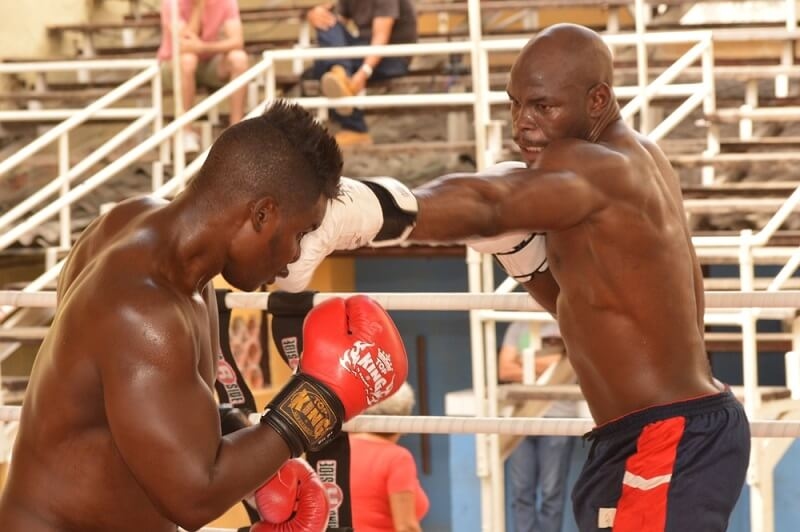
Cuban boxing history is not built on one name alone. It is built on systems, discipline, and generations of effort.
1. Cuban Fighters Made Early International Waves
There were many fights outside of the country in the early twentieth century, and this helped the country gain exposure in the boxing field worldwide. It proved that the talent coming from the island could go toe-to-toe with experienced fighters.
2. Teófil Stevenson at the Olympics
Teófilo Stevenson is a Cuban boxer who won three gold medals in heavyweight boxing at the Olympic Games. His success altered the way the world perceived Cuban sportspeople. He became a symbol of discipline.
3. Boxing Became a National Identity
Achievements in international tournaments helped establish pride at home, where winning was shared by the entire country. Boxing was part of the conversation.
Top Pick: Improve Your Boxing Skills with These Punching Mitts Tips
5 Famous Cuban Boxers That Left Their Mark on the Sport
Many famous Cuban boxers followed the path shaped by earlier fighters. Each of them brought something different to the sport.
1. Teófilo Stevenson – Three Olympic Gold Medals
Stevenson dominated the heavyweight division in amateur boxing. Winning three Olympic gold medals placed him among the greatest in history.
2. Félix Savón – Olympic and World Champion
Savón earned multiple world championship titles along with Olympic success. His steady approach reflected disciplined Cuban training.
3. Kid Gavilán – World Welterweight Champion
Kid Gavilán became a professional world champion. His success showed that Cuban fighters could thrive in the professional scene.
4. Guillermo Rigondeaux – Two Olympic Gold Medals
Rigondeaux secured two Olympic gold medals and later professional world titles. His defensive awareness stood out globally.
5. Kid Tunero – International Middleweight Contender
Kid Tunero built his reputation as a skilled middleweight who competed across Europe and the Americas. He defeated respected opponents and earned recognition for his technical discipline.
How have the Cuban Sports Pioneers Impacted the Present World?
Cuban sporting pioneers established a foundation that influences the sport even up to the present day. Their concepts move beyond geographical boundaries.
1. Technique Came Before Fame
Instead, they concentrated on the basic fundamentals. For the young fighters, basic education involved balance, timing, and defense techniques.
2. Structured Coaching Systems
The training methods were structured and consistent. The trainers had guidelines to follow. Knowledge was passed from one generation to another without losing quality.
3. Global Adoption of Cuban Methods
Trainers worldwide study the Cuban systems. They make changes to footwork drills and defense techniques employed by Cuban boxers.
Forgotten Boxing Legends: What are the Reasons?
Many forgotten boxing legends once stood in the spotlight. Over time, their recognition faded for several reasons.
1. Limited Media Exposure
Fights of yesteryear were not always as heavily documented or widely available. Without footage, the achievements simply faded from memory.
2. Social and Political Obstacles
Some of the athletes had certain barriers that barred them from being recognized globally. Clearly, not everyone had equal opportunities.
3. Shifting Public Attention
The attention of fans usually falls on the current champions. When new names of stars start cropping up, the older ones get pushed to the backseat.
Things People Often Forget About the Middleweight Boxing History in Cuba
Middleweight boxing history in Cuba holds details that are often missed in short summaries.
1. Technical Strength Defined the Division
The middleweights were also sharp at defending, with their fights requiring balance and timing instead of power.
2. European Experience Strengthened Development
Several Cuban middleweights saw action in Europe. Fights abroad enhanced adaptability.
3. Transition from Amateur to Professional Was Not Simple
There had to be adjustments made in the pace and strategy. To this end, not all amateur successes translate to instant successes for professionals.
Conclusion
Kid Tunero remains a key figure in Cuban boxing history. His disciplined approach influenced famous Cuban boxers and strengthened middleweight boxing history. Though listed among forgotten boxing legends, his legacy lives through Cuban sports pioneers and the training systems that continue shaping champions today.
Frequently Asked Questions
1. Who was Kid Tunero?
He was a Cuban boxer known for discipline, technical skill, and international competition experience.
2. Why is Tunero important in Cuban boxing history?
He helped shape the early style of Cuban fighters and influenced later generations.
3. Did Tunero win a world title?
He competed at a high level but did not secure an official world championship.